PFAS removal from fire fighting systems

PFAS removal from fire fighting systems

Do you have any questions?

René Sloof
René Sloof SAVE Project Manager +31 6 22937838

Moving away from PFAS in fire fighting foams

Many companies are currently transitioning to fluorine-free extinguishing foam. Since fluorine-containing foams are no longer available, companies cannot re-supply their systems after testing or incidents.

Mixing fluorine-free and fluorine-containing foams is not an option, as their chemical composition and extinguishing characteristics differ significantly. Moreover, with the upcoming PFAS ban, any new foam contaminated with PFAS will be rendered non-compliant and unusable.

To ensure a smooth transition, cleaning existing fire fighting systems is crucial to minimize PFAS contamination. However, defining what is considered "clean" remains a challenge. While existing guidelines ensure a thorough cleaning process, they do not set clear contamination thresholds.

What does this mean for your company?
On this page, we explain regulations, best practices for transitioning to fluorine-free foam, required cleaning standards, and how we can support you.
EU Regulations

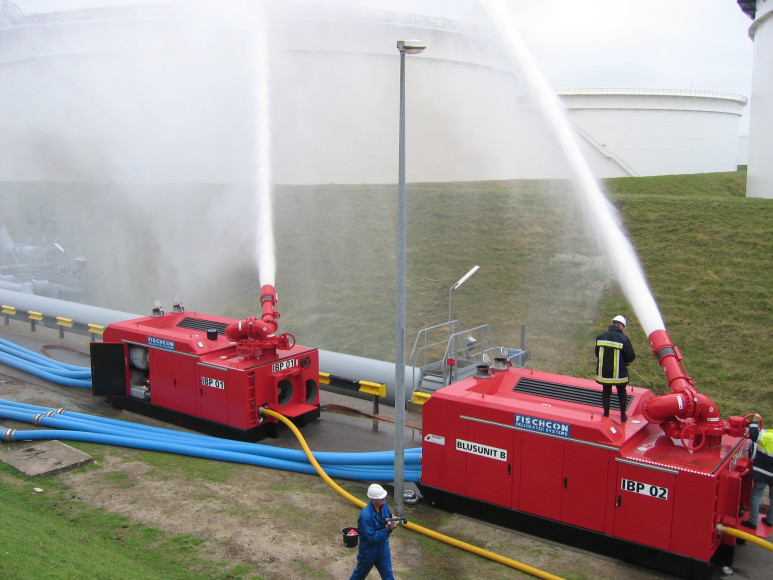
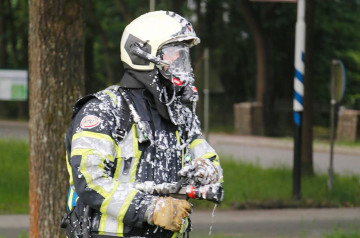
For decades, fluorine-containing fire-fighting foam has been used in firefighting. Large quantities of this extinguishing foam are stored at industrial companies and managers of special infrastructure, both in stationary extinguishing systems and in storage. Fire fighting foam is present at these locations due to permit requirements and for contingency purposes.

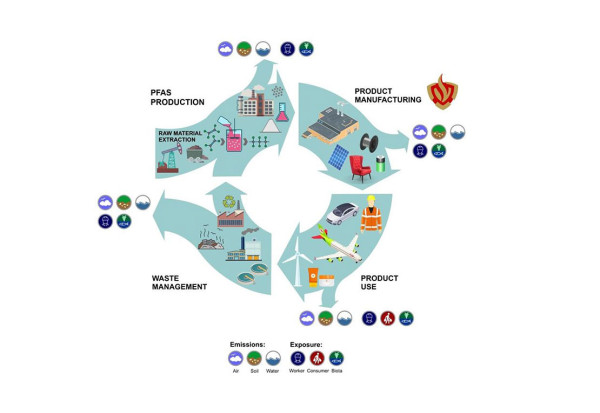
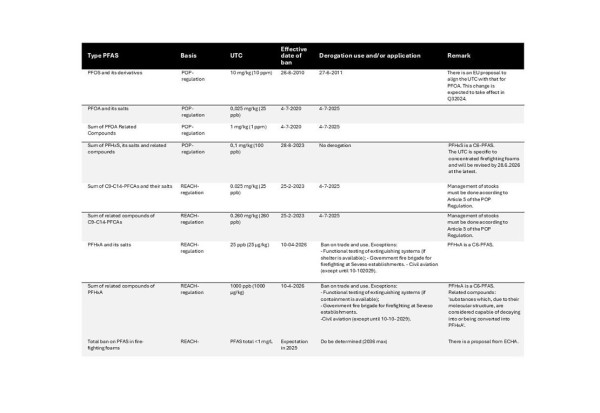
Poly- and perfluoroalkyl substances (PFAS) in this foam have been proven to cause long-term harm to human health and the environment. As a result, the European POP Regulation will prohibit the use of PFAS-based foams starting July 4, 2025. A total PFAS ban will follow later in 2025.

For this reason, industrial companies, infrastructure managers and fire brigade organisations are carrying out a transition to fluorine-free extinguishing foam. The current fluorine-containing extinguishing foam will be replaced by a new, fluorine-free variant. However, minimal contamination of the new foam by residual PFAS must be taken into account.

Moving away from PFAS in fire fighting foams

Dutch National Regulations (Aligned with EU Laws)

In the Netherlands, national authorities such as IL&T and environmental permitting agencies oversee PFAS prohibitions and compliance.

Key considerations:

  • The Unintentional Trace Contaminant (UTC) level determines the maximum allowable concentration of PFAS that may be unintentionally present in substances, mixtures, or articles. The EU has set strict UTC limits to protect human health and the environment.
  • If your new foam exceeds the UTC limits, it will be considered contaminated waste, requiring costly disposal.
  • Permitting agencies focus on minimizing and containing PFAS emissions—they will require companies to prove compliance.

Time lines for PFAS prohibition

Moving away from PFAS in fire fighting foams

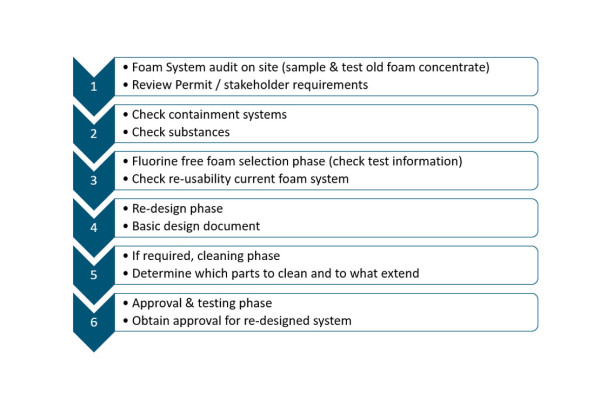
Transition phases

Before introducing fluorine-free foam into fire fighting systems, companies must carefully assess their needs and choose the best alternative.

Step 1 to 3 are part of a feasibility phase to prevent unnecessary investments and surprises.

During the implementation phase steps 4 to 6 will secure a succesfull transition.

Why proper planning is critical
If the foam transition is not carried out correctly, companies risk non-compliance and costly rework. Ensuring a thorough, one-time transition avoids unnecessary expenses and operational downtime.

Moving away from PFAS in fire fighting foams

How to remove PFAS from fire fighting systems

A successful transition requires effective decontamination of your fire fighting system. Various cleaning methods are available, depending on contamination levels and system complexity:

  • Flushing with water.
  • Scrubbing with chemicals.
  • Flushing with additives (Perfluorad®).
  • Flushing with warm water Component removal & off site cleaning.

Proper cleaning is essential to prevent cross-contamination and ensure regulatory compliance.

Case study: PFAS removal at Impala Terminals Rotterdam BV

We are currently collaborating with multiple companies on the foam transition at Impala Terminals Rotterdam BV. This project involves the removal of PFAS from fire fighting systems, ensuring a smooth transition to fluorine-free extinguishing foam.

What makes this project important?

  • Large-scale PFAS removal requires careful planning and execution.
  • Compliance with Dutch and EU regulations is critical.
  • Our structured approach ensures minimal contamination and long-term sustainability.

Successful projects like this demonstrate the importance of early action and expert guidance.

How we can help

Antea Group offers a wide range of services to support companies and organizations in the transition to fluorine-free fire fighting foam. From preparing and coordinating the transition to designing new fire fighting systems and managing waste, we are ready to assist.

  • All the transition phases we can prepare and coordinate.
  • Sampling of soil, water and containment systems on PFAS.
  • Remediation of PFAS contaminated areas.
  • Basic (re)design of the fire fighting systems.
  • Permitting procedures.
  • Waste management of PFAS Cleaning of fire fighting systems.
  • Setting up new maintenance requirements.

Concerned about compliance with REACH and POP regulations?

Unsure if your fire fighting system meets regulations? Contact us today to discuss your situation and find out how we can help ensure a smooth, compliant transition to fluorine-free fire fighting foams.

Contact us!

Fields marked with * are required.

Curious about how we handle your data? You can read about it in our privacy statement

Do you have any questions?

Please contact me

René Sloof
René Sloof SAVE Project Manager +31 6 22937838